Homeowners Insurance: What It Covers, What It Doesn't
A standard homeowners policy bundles four kinds of protection — your house, your belongings, your liability, and living expenses — but flood, earthquake, and wear and tear are all excluded.
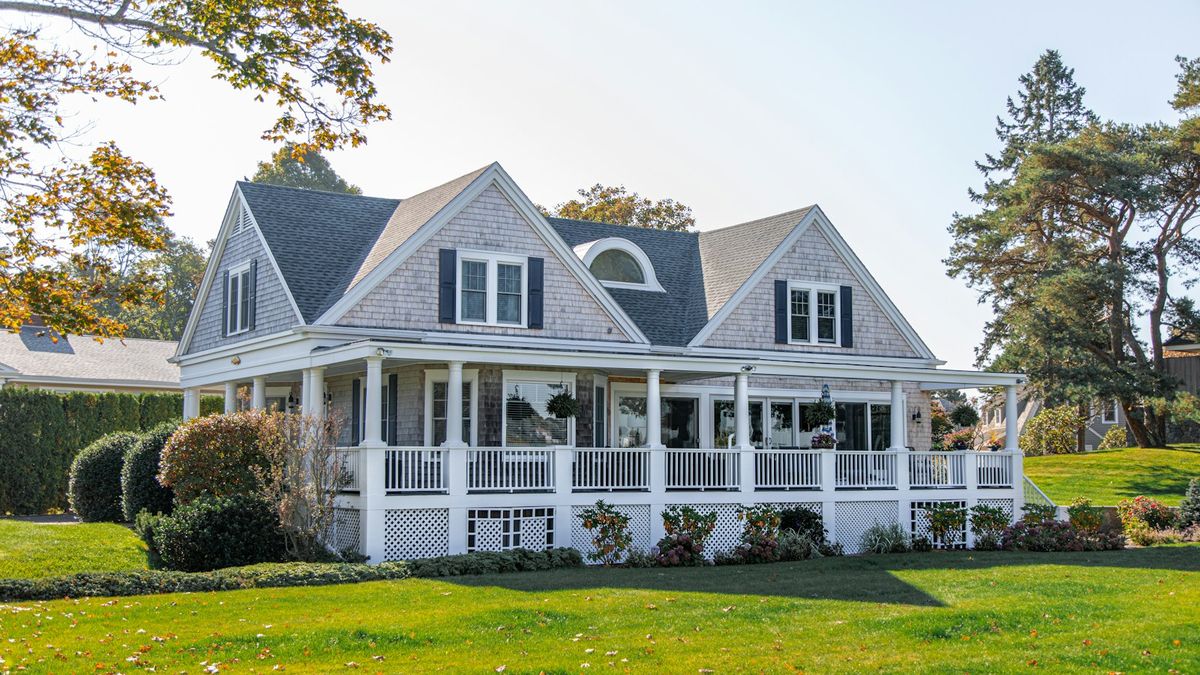
Homeowners insurance is a package deal: one policy that covers damage to your house, damage to the things inside it, lawsuits from injuries you cause, and the cost of living elsewhere while your home is repaired. That breadth is why most people assume it covers everything. It does not: floods, earthquakes, and slow deterioration are all excluded.
The structure: your house and what stands apart from it
The dwelling portion of your policy pays to repair or rebuild your home if fire, hurricane, hail, lightning, or another listed disaster damages or destroys it. Most policies also cover detached structures such as a garage, tool shed, or gazebo, generally for about 10 percent of the amount of insurance on the house itself.
The number that matters here is rebuilding cost, not market value. The price you paid for your home, or what it would sell for today, can be higher or lower than the cost of rebuilding it with current labor and materials. Multiply your home's square footage by local per-square-foot building costs for a rough check; the land itself is not part of the calculation.
Your belongings: more coverage than most people expect
Personal property coverage pays for furniture, clothes, electronics, sports equipment, and other belongings if they are stolen or destroyed by a covered disaster. The limit is generally 50 to 70 percent of the insurance on the structure. A home inventory, even a quick phone video walking room to room, is the best way to tell whether that range is enough for what you own.
This coverage travels with you. Belongings stored off-premises are covered anywhere in the world, although some companies cap off-premises coverage at 10 percent of your total belongings limit. Trees, plants, and shrubs are covered too, generally for about $500 per item, but not for disease or poor maintenance. The main catch is valuables: jewelry, furs, art, collectibles, and silverware are covered, but there are usually dollar limits if they are stolen. To insure a high-value item for its full worth, add a special personal property endorsement or floater.
Liability, guest medical, and living expenses
Liability coverage defends you against lawsuits for bodily injury or property damage that you or your family members cause to other people, and it pays for damage caused by your pets. It pays both the cost of defending you in court and any court awards, up to the limit in your policy. Limits generally start at about $100,000, and it is worth discussing a higher level with your insurance professional, especially if you have significant assets. An umbrella or excess liability policy adds broader coverage and higher limits on top.
Separate from liability, your policy includes no-fault medical coverage: if a friend or neighbor is injured in your home, they can submit their medical bills directly, without anyone having to prove you were at fault.
If damage from a covered disaster makes your home unlivable, additional living expenses coverage, often called ALE, pays the extra costs of living elsewhere while your home is rebuilt or repaired: hotel bills, restaurant meals, and other costs above what you would normally spend. ALE has its own limits, and some policies include a time or dollar cap. The reassuring part is that ALE limits are separate from the rebuilding money: even if you use up your ALE, the insurer still pays the full cost of rebuilding your home up to the policy limit.
What a standard policy does not cover
Three exclusions surprise homeowners most often. First, flood damage is not covered. Separate flood insurance is available through the National Flood Insurance Program and a few specialty insurers. Second, earthquakes are not covered either. Earthquake insurance is available as an endorsement or a separate policy from private insurers, and in California from the California Earthquake Authority. Earthquakes can occur nationwide, not only in California.
Third, damage from neglect and routine wear and tear is excluded. A roof that leaks because it was never repaired is not a claim; a roof torn off by a windstorm is.
Replacement cost vs. actual cash value
How your insurer values a loss matters as much as the limit. An actual cash value policy pays replacement cost minus depreciation, so an older roof or older belongings pay out considerably less than new ones. A replacement cost policy pays the cost of rebuilding or replacing without deducting for depreciation. Extended replacement cost adds a cushion, typically 10 to 50 percent above the limit: a $300,000 policy with a 20 percent extended option could pay up to $360,000. Guaranteed replacement cost goes furthest, paying whatever it costs to rebuild your home as it was, even if that exceeds the policy limit.
Ask which basis applies to your dwelling, your roof, and your belongings separately. A low limit paired with actual cash value leaves the biggest gap after a major loss.
Review your policy once a year
1. Check the dwelling limit against rebuilding cost. Square footage times local building costs is a rough but useful test.
2. Take a home inventory. It settles whether the belongings limit is enough and makes any future claim easier.
3. Read the exclusions page. Confirm whether you need separate flood or earthquake coverage.
4. Price higher liability limits. Moving up from $100,000 is often inexpensive.
5. Confirm your valuation basis. Know whether a claim pays actual cash value, replacement cost, or extended replacement cost.